




Salesforce is one of the world’s most popular cloud-based CRM platforms. Millions of businesses rely on it to manage customer relationships, sales pipelines, marketing campaigns, and support requests. But all this power is only useful if you can perform a secure Salesforce login efficiently.
A proper Salesforce login ensures you access the right data, maintain security, and work without interruptions. Users often struggle with login issues, ranging from forgotten passwords to browser errors. This guide explains every aspect of Salesforce login, including tips, common problems, and solutions, making it easy for beginners and advanced users alike.
By the end of this article, you will understand how to log in safely, troubleshoot issues, and use Salesforce like a pro.
1. How to Login to Salesforce (Step-by-Step Guide)
1 Salesforce Web Login
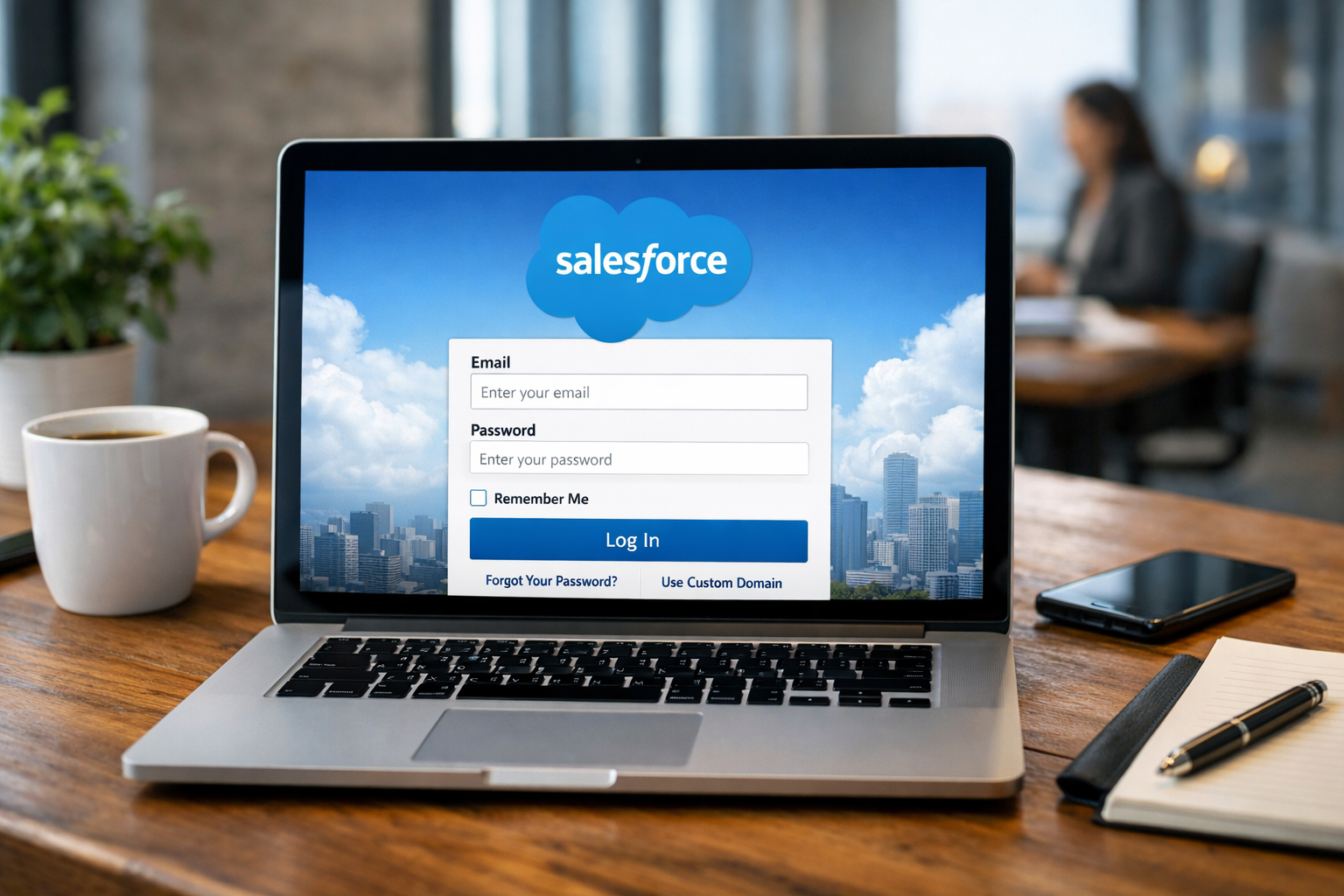
The most common method is logging in through a web browser. Follow these steps:
- Open your preferred browser (Chrome, Firefox, Safari, Edge).
- Go to login page
- Enter your username and password.
- Complete any two-factor authentication (2FA) prompts.
- Click Login.
Once logged in, you will see your Salesforce dashboard with tabs for Leads, Accounts, Opportunities, Reports, and more.
2 Salesforce Mobile App Login
The Salesforce mobile app allows you to manage tasks on the go. Steps:
- Download the Salesforce app from the App Store or Google Play Store.
- Open the app and tap Log In.
- Enter your username and password.
- Complete 2FA if enabled.
- You are ready to manage your CRM from your phone.
3 Admin Login vs Regular User Login
Admins have more access than regular users. Admin login may include:
- Setup menu access
- User management
- Security settings
- Reports & dashboards configuration
Regular users only see tabs assigned to their role. If you are unsure, contact your Salesforce administrator to confirm your login type.
Salesforce Login Tips & Best Practices
Proper login habits improve productivity and security. Here are some essential tips:
1 Use Strong Passwords
A strong password reduces the risk of unauthorized access. Use a combination of:
- Uppercase and lowercase letters
- Numbers
- Special characters
- Minimum 12 characters
Avoid using easily guessed passwords like birthdays or “123456.”
2 Enable Two-Factor Authentication (2FA)
2FA adds an extra layer of security. Salesforce supports authentication apps such as Salesforce Authenticator, Google Authenticator, or SMS codes.
3 Check Browser Compatibility
Salesforce works best on modern browsers. Old browsers may cause errors. Clear cache and cookies regularly to avoid login issues.
4 Save Login Credentials Securely
Use password managers like LastPass, 1Password, or Bitwarden to store Salesforce credentials safely. Avoid writing them on paper or sharing with colleagues.
Common Salesforce Login Problems & Fixes
Even experienced users face login issues. Here’s how to solve them:
1 Forgot Password
If you forget your password:
- Go to Salesforce login page.
- Click Forgot Your Password?
- Enter your username and email.
- Follow the reset link sent to your email.
2 Locked Account
After multiple failed attempts, Salesforce may lock your account. Solutions:
- Wait 15–30 minutes and try again
- Contact your Salesforce administrator for unlock
- Use the password reset link if needed
3 Session Timeout
Salesforce automatically logs you out after inactivity. To avoid disruptions:
- Enable Remember Me on trusted devices
- Save work frequently
- Adjust session timeout settings if you are an admin
4 Browser & Cache Issues
Clear cache and cookies if login fails unexpectedly. Steps vary by browser but usually found in Settings > Privacy > Clear Browsing Data.
5 VPN & Network Issues
Some Salesforce orgs restrict login to specific IP addresses. If login fails while using VPN:
- Disable VPN temporarily
- Contact admin to allow your IP address
Salesforce Login Security Features
Salesforce offers multiple features to enhance login security:
1 IP Restrictions
Admins can limit logins to trusted IP ranges, preventing unauthorized access from unknown locations.
2 Login History
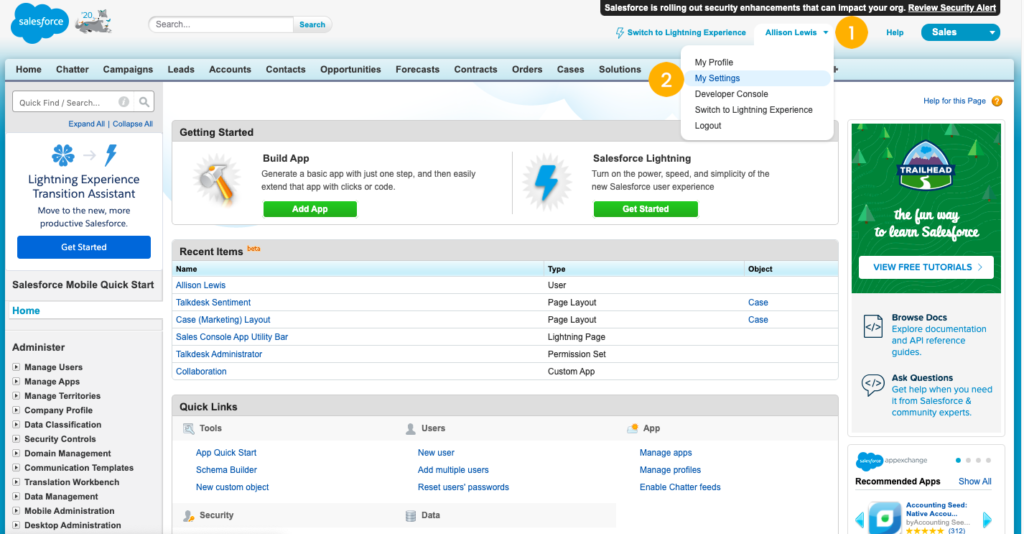
Check your login history to track suspicious activity. Navigate to Setup > Login History.
3 Identity Verification
Salesforce may request email or phone verification for new devices. This ensures only authorized users access your account.
4 Single Sign-On (SSO)
Large organizations often use SSO to log in through corporate credentials. SSO improves security and simplifies access management.
Advanced Login Tips for Power Users & Admins
1 Admin Login Insights
Admins should regularly review:
- Login attempts
- Failed login reports
- User activity
This helps maintain security and compliance.
2 Managing Multiple Salesforce Orgs
If you access multiple Salesforce instances:
- Use separate browsers or profiles
- Label bookmarks clearly
- Avoid saving passwords in shared devices
3 Salesforce CLI & Integration Login
Power users may use Salesforce CLI or API integrations. Ensure:
- Correct security token
- Connected apps are authorized
- IP restrictions are configured properly
Frequently Asked Questions (FAQ)
Q1: How do I login to Salesforce if I forget my password?
Click Forgot Your Password on the login page and follow the reset instructions via email.
Q2: Can I login from mobile?
Yes, using the Salesforce mobile app for iOS or Android.
Q3: Why am I locked out of Salesforce?
Multiple failed login attempts or security restrictions may cause a lockout. Contact your admin or reset your password.
Q4: What is the difference between user and admin login?
Admins have full access to setup, user management, and security. Users only see tabs and data allowed by their role.
Q5: Can Salesforce login be automated?
Yes, via Single Sign-On (SSO) or Salesforce CLI for power users.
Conclusion: Mastering Salesforce Login
Logging into Salesforce seems simple, but secure and efficient login is crucial for productivity.
Key takeaways:
- Use strong passwords and enable 2FA
- Keep browsers updated and clear cache regularly
- Understand the difference between user and admin logins
- Track login history and IP restrictions for security
- Troubleshoot issues methodically, from password resets to browser settings
By following these steps, you can ensure smooth access to Salesforce, protect sensitive data, and avoid common login problems.
Remember, a secure login is the first step to effective Salesforce use. Start practicing these tips today, and you’ll never face login stress again.