




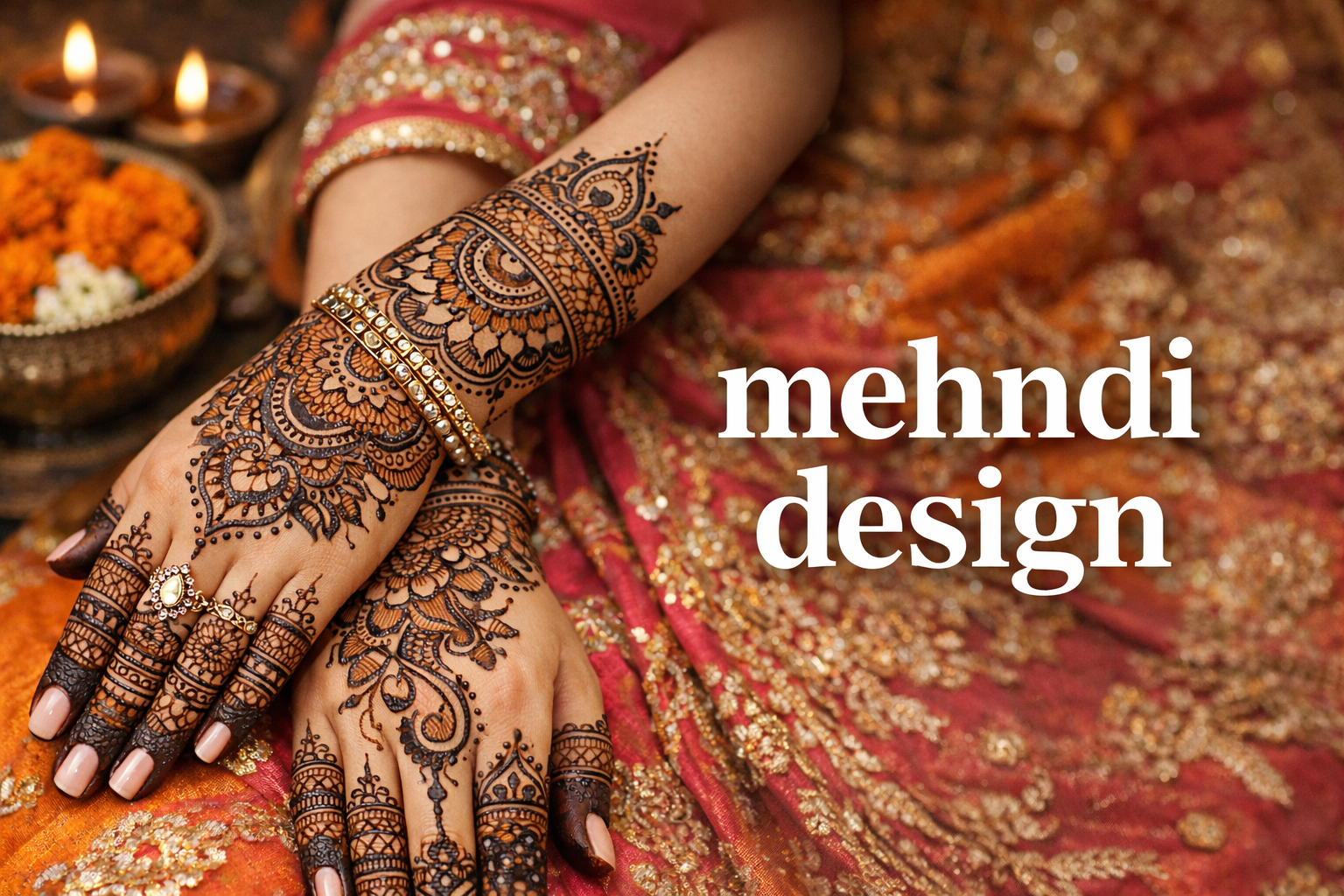
Mehndi design is an ancient art form that combines tradition, culture, and creativity. Popular in India, Pakistan, the Middle East, and North Africa, mehndi is applied during weddings, festivals, and celebrations to adorn hands and feet with intricate patterns.
In today’s world, where everyone is searching for unique, Instagram-worthy designs, knowing the right techniques, patterns, and application tips is essential. This guide will help beginners and enthusiasts explore classic and modern mehndi designs, step-by-step application methods, care tips, and trends for 2026.
Whether you want simple daily designs or elaborate bridal patterns, this guide provides all the insights to make your mehndi look perfect and long-lasting.
What is Mehndi Design?
Mehndi design refers to decorative patterns created using henna paste, a natural dye made from the leaves of the henna plant. When applied, henna leaves a reddish-brown stain that can last from 1–3 weeks depending on skin type, care, and quality of henna.
Mehndi is not only decorative but also symbolic, representing joy, beauty, love, and prosperity. Its patterns range from floral and geometric to intricate peacocks, paisleys, and Arabic-inspired designs.
The growing global interest in mehndi design has made it a popular search topic, especially for brides, festival-goers, and art enthusiasts.
Types of Mehndi Designs
Mehndi designs vary in style, complexity, and cultural significance. Here’s a detailed breakdown:
1. Bridal Mehndi Designs
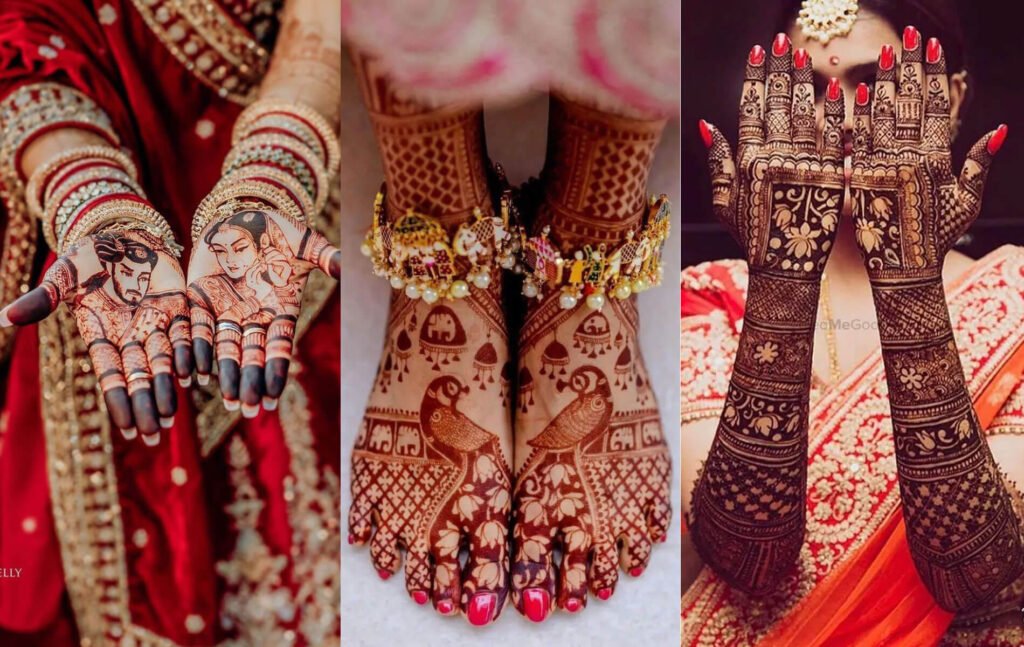
Bridal mehndi is the most intricate. It often covers hands, arms, feet, and sometimes legs with elaborate patterns. Traditional motifs include peacocks, florals, paisleys, and temple patterns.
Best for: Weddings and pre-wedding ceremonies
Tip: Modern brides add personal elements like initials, couple names, or wedding dates.
2. Arabic Mehndi Designs
Arabic designs are elegant, bold, and minimalist. They often feature vines, floral chains, and open spaces, making them faster to apply.
Best for: Festivals, casual events, and young brides
Trend 2026: Arabic designs now often include geometric shapes and fusion patterns for a contemporary look.
3. Indian Mehndi Designs
Indian designs are highly detailed, combining traditional motifs with cultural symbols. Typical patterns include paisleys, flowers, and geometric shapes, filling palms and feet densely.
Best for: Weddings, religious functions, and traditional festivals
Tip: Indian mehndi requires steady hands and patience, so beginners can start with half-hand designs.
4. Simple Mehndi Designs
Simple patterns are easy and quick. They include single flowers, dots, or minimalistic designs on fingers and palms.
Best for: Daily wear, office events, and casual occasions
Pro Tip: Simple designs are perfect for beginners and can be combined with small accessories like rings and bracelets.
5. Modern/Fusion Mehndi Designs
Modern designs are creative blends of Arabic, Indian, and geometric patterns. They focus on minimalism, unique placement, and Instagram-friendly designs.
Best for: Parties, photoshoots, and social media enthusiasts
Trend 2026: Finger-only mehndi, wrist patterns, and negative space designs are gaining popularity.
Step-by-Step: How to Apply Mehndi at Home
Applying mehndi is easy if done correctly. Follow these 10 detailed steps:
- Prepare Henna Paste
- Mix henna powder, lemon juice, sugar, and essential oils
- Let it rest for 6–8 hours for maximum color extraction
- Clean the Skin
- Wash hands or feet thoroughly
- Remove oils, dirt, or lotion for better stain
- Choose Design
- Pick from simple, Arabic, or intricate templates
- Beginners should start with finger or palm patterns
- Use a Cone or Applicator
- Fill henna in a cone or bottle with fine nozzle
- Steady your hand and start from the center, moving outward
- Apply Patterns
- Use lines, dots, flowers, and paisleys
- Avoid overlapping thick layers
- Drying Henna
- Let paste dry for 4–6 hours
- Apply sugar-lemon mixture to prevent cracks
- Remove Dried Paste
- Gently scrape off, do not wash with water immediately
- Aftercare
- Apply coconut or mustard oil for darker stain
- Avoid washing hands frequently for the first day
- Protect Stain
- Keep hands warm and avoid soap or chemicals
- Stain darkens naturally over 24–48 hours
- Practice Patience
- Henna takes time to deepen in color
- Avoid rushing, results improve with consistent practice
Mehndi Care Tips for Long-Lasting Color
- Keep henna overnight if possible
- Apply natural oils like coconut or olive oil
- Avoid water, soap, or chemicals immediately after removal
- Keep hands warm to enhance stain
Extra Tip: For vibrant mehndi, choose fresh henna powder and high-quality cones.
Common Mehndi Mistakes to Avoid
- Rushing designs → uneven patterns
- Using old henna → dull color
- Skipping aftercare → weak stain
- Overwashing hands → fading patterns
- Ignoring skin prep → patchy application
Top Mehndi Trends in 2026
- Minimalist Floral Designs – small flowers with negative space
- Geometric Mehndi – triangles, squares, and lines
- Finger-Only Mehndi – quick, modern, Instagram-friendly
- Fusion Mehndi – mix of Arabic and Indian styles
- Colorful Mehndi – henna with glitter or natural color enhancements
These trends are highly searched globally and are perfect for social media content.
Occasion-wise Mehndi Recommendations
| Occasion | Recommended Style | Tips |
|---|---|---|
| Weddings | Bridal Indian | Cover full hands/feet, add personal motifs |
| Festivals | Arabic/Minimalist | Quick, elegant, easy for beginners |
| Parties | Modern/Fusion | Instagram-friendly, creative placement |
| Daily Wear | Simple/Minimal | Finger or half-hand patterns, quick application |
Frequently Asked Questions (FAQs)
Q1: How long does mehndi last?
A: 1–3 weeks, depending on care and skin type.
Q2: Which mehndi is best for beginners?
A: Simple and Arabic designs are ideal.
Q3: How to make mehndi darker?
A: Leave paste longer, apply natural oils, avoid water.
Q4: Can mehndi be applied on nails?
A: Yes, use small designs or dots for nail art.
Q5: Is mehndi safe for skin?
A: Natural henna is safe. Avoid chemical-based black henna.
Q6: Can men use mehndi?
A: Absolutely! Simple patterns, initials, or cultural designs work well.
Q7: How to fix smudges while applying?
A: Use a cotton swab or tissue gently to correct mistakes.
Q8: Can mehndi be applied on tattoos?
A: Yes, henna works over tattoos but color may be lighter.
Q9: What is the best time to apply mehndi?
A: Evening or night, when hands/feet are clean and relaxed.
Q10: Can I reuse leftover henna paste?
A: Only if stored properly in a refrigerator, but fresh paste gives better stain.
Conclusion
Mehndi design is an elegant blend of tradition, creativity, and personal expression. From intricate bridal patterns to modern minimalistic designs, mehndi enhances your look and celebrates culture.
Start with simple patterns, explore trending designs, and follow proper care techniques for long-lasting, vibrant color. Consistency, patience, and creativity will help you master stunning mehndi designs in 2026.