





Making money online sounds exciting.
However, most beginners feel confused about where to start.
Some people talk about freelancing.
Others recommend dropshipping or crypto.
Meanwhile, many beginners miss one powerful concept called digital real estate.
Digital real estate is the idea of building and owning online assets that can generate income over time.
Instead of chasing short-term trends, this model focuses on creating websites, blogs, and digital properties that grow in value.
In simple words, digital real estate works like physical property — you build it once and earn from it again and again.
As a result, more people are now choosing digital real estate as a safer and smarter way to make money online.
In this guide, you will clearly understand what digital real estate is, how it works, and why it is becoming so popular in 2026.
What Is Digital Real Estate?
Digital real estate means owning online assets that generate value or income over time.
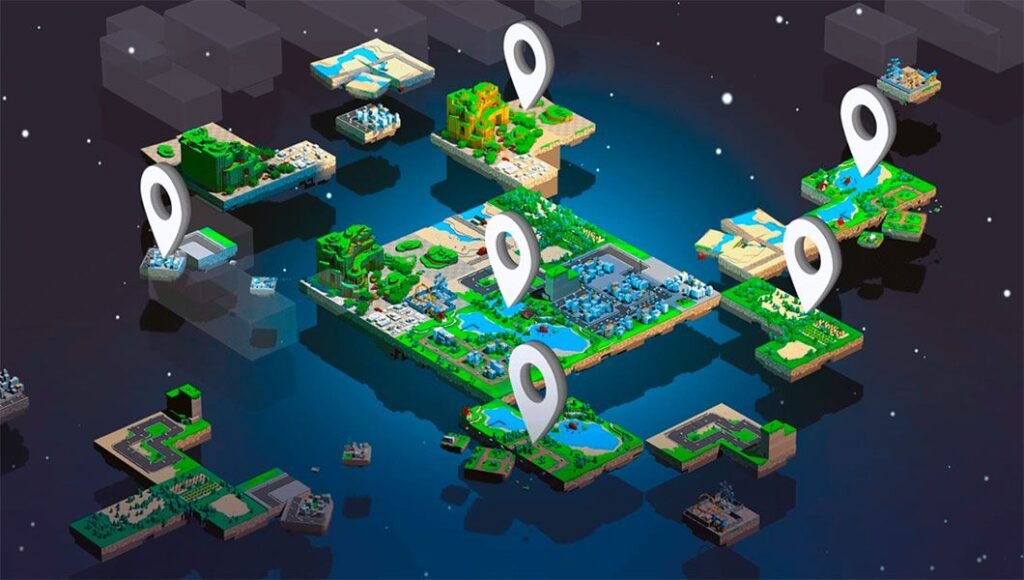
In simple words, it is like buying land on the internet.
However, instead of buildings, you build websites, content, or online platforms.
For example:
- A blog that earns from ads
- A niche website that gets affiliate sales
- A YouTube channel that earns passive income
- A domain name that increases in value
As a result, you earn money while you sleep.
Why Is Digital Real Estate So Popular?
Digital real estate is growing fast.
One major reason is the low investment.
Unlike physical property:
- You don’t need lakhs of rupees
- You don’t need an office
- You don’t deal with tenants
Moreover, the internet never sleeps.
Therefore, your asset can earn money 24/7.
Another reason is freedom.
You can manage everything from home, even with a laptop and internet.
Digital Real Estate vs Physical Real Estate
Although both sound similar, they work very differently.
Physical real estate:
- High investment
- Legal paperwork
- Maintenance costs
- Location dependent
Digital real estate:
- Low investment
- No paperwork
- Easy to scale
- Global reach
As a result, many beginners prefer digital real estate as a starting point.
Types of Digital Real Estate
There are many forms of digital real estate.
However, beginners should focus on the simplest ones first.
1. Websites & Blogs
A website is the most common digital asset.
You create content, rank on Google, and earn money.
For example:
- Informational blogs
- Niche affiliate sites
- Authority websites
Over time, traffic grows.
As a result, income also increases.
2. Niche Websites
Niche websites focus on one specific topic.
For example:
- Fitness
- Finance
- Technology
- Lifestyle
Because the focus is narrow, ranking becomes easier.
Therefore, beginners love niche sites.
3. Domain Flipping
Some people buy domain names early.
Later, they sell them at higher prices.
Although this needs research, it can be very profitable.
However, beginners should be careful and learn first.
4. YouTube Channels
YouTube channels are also digital real estate.
You upload videos once.
However, views and income continue for years.
As a result, it becomes a long-term asset.
5. Social Media Pages
Large Instagram pages or Facebook groups also count as digital assets.
Once the audience grows:
- Brands pay for promotions
- Affiliate sales increase
- Trust builds
Therefore, social media is another form of digital real estate.
How Digital Real Estate Makes Money
There are multiple income streams.
However, you don’t need all of them at once.
1. Google AdSense
You place ads on your website.
When people visit, you earn per click or impression.
This is beginner-friendly.
However, traffic matters a lot.
2. Affiliate Marketing
You promote other people’s products.
When someone buys, you earn commission.
For example:
- Amazon affiliate links
- Software referrals
- Online courses
As a result, income can grow faster.
3. Selling Digital Products
Once trust builds, you can sell:
- eBooks
- Courses
- Templates
This gives full control over income.
4. Website Flipping
Some people build websites only to sell them later.
They:
- Build traffic
- Improve earnings
- Sell for profit
Just like real estate flipping, but online.
How to Start Digital Real Estate (Step-by-Step)
Starting digital real estate is simple.
However, consistency matters more than speed.
Step 1: Choose One Platform
Don’t try everything at once.
Instead, start with:
- A blog or
- A YouTube channel
Focus brings results faster.
Step 2: Pick a Clear Niche
Your niche should be:
- In demand
- Not too competitive
- Helpful to users
For example:
- Make money online
- Health & fitness
- Technology guides
As a result, content ideas become clear.
Step 3: Create Valuable Content
Content is the foundation.
Therefore, always help the user first.
Use:
- Simple language
- Clear explanations
- Real examples
Google loves helpful content.
Users do too.
Step 4: Apply Basic SEO
SEO helps your asset grow.
However, you don’t need advanced skills.
Focus on:
- One main keyword
- Clean headings
- Internal linking
- Fast loading pages
Over time, rankings improve naturally.
Step 5: Be Patient and Consistent
Digital real estate is not instant money.
However, it is stable.
Most websites take:
- 3 to 6 months to grow
- 6 to 12 months to earn well
As a result, patience pays off.
Common Mistakes Beginners Make
Many beginners fail early.
However, mistakes can be avoided.
❌ Expecting fast money
❌ Changing niche again and again
❌ Publishing low-quality content
❌ Ignoring SEO basics
Instead, focus on building value slowly.
Is Digital Real Estate Safe for Beginners?
Yes, it is one of the safest online models.
However, results depend on effort.
There is:
- Low financial risk
- High learning value
- Long-term income potential
Therefore, beginners can start without fear.
Digital Real Estate in 2026: Future Scope
The future is digital.
Moreover, online consumption is increasing daily.
More businesses are moving online.
As a result, digital assets will become more valuable.
People who start today:
- Build authority
- Gain experience
- Create multiple income streams
Early action always wins.
Final Thoughts
Digital real estate is not magic.
However, it is powerful.
If you:
- Start small
- Stay consistent
- Focus on helping users
You can build online assets that grow year after year.
Instead of chasing shortcuts, build something real — digitally.