




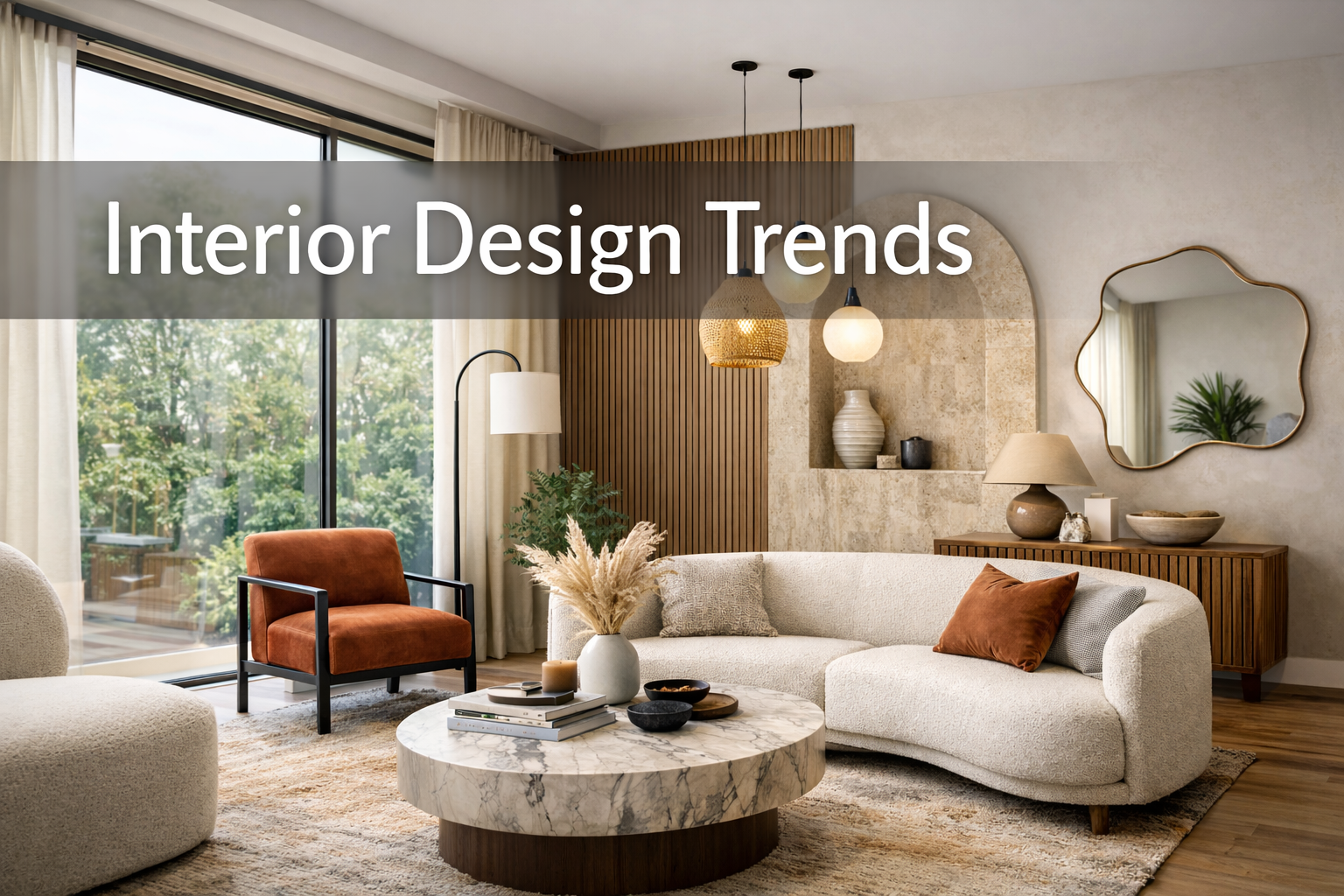
Interior design trends in 2026 focus on comfort, sustainability, smart spaces, and calm aesthetics. This guide shares the latest interior design trends, including modern colors, minimalist layouts, natural materials, smart lighting, and small-space design ideas to help you create a stylish, functional home.
Life today is fast-paced, and homes are no longer just places to sleep.
As a result, people now want spaces that feel calm, functional, and personal.
Moreover, interior design is no longer about luxury alone—it’s about comfort, usability, and mental well-being.
Because trends change every year, it’s easy to feel confused about what actually works.
However, not every trend is worth following blindly.
Therefore, this guide explains interior design trends that are practical, affordable, and timeless enough to use in real homes.
What Are Interior Design Trends?
Interior design trends are the popular styles, colors, layouts, and decor ideas people use to design their homes in a specific time period.
In simple words, these trends show:
- how rooms are decorated
- which colors are popular
- what type of furniture people prefer
- how small or large spaces are designed
However, trends are not rules.
Instead, they are inspirations you can adapt to your own lifestyle and budget.
Why Following Interior Design Trends Matters
Many homeowners decorate once and never update their space.
As a result, homes start feeling outdated or uncomfortable over time.
Moreover, outdated layouts often waste space and light.
By following modern interior design trends, you can:
- improve comfort
- use space more efficiently
- increase your home’s visual appeal
- create a calm and organized environment
- even improve your mood and productivity
Therefore, even small design changes can make a big difference.
1. Calm and Neutral Color Palettes
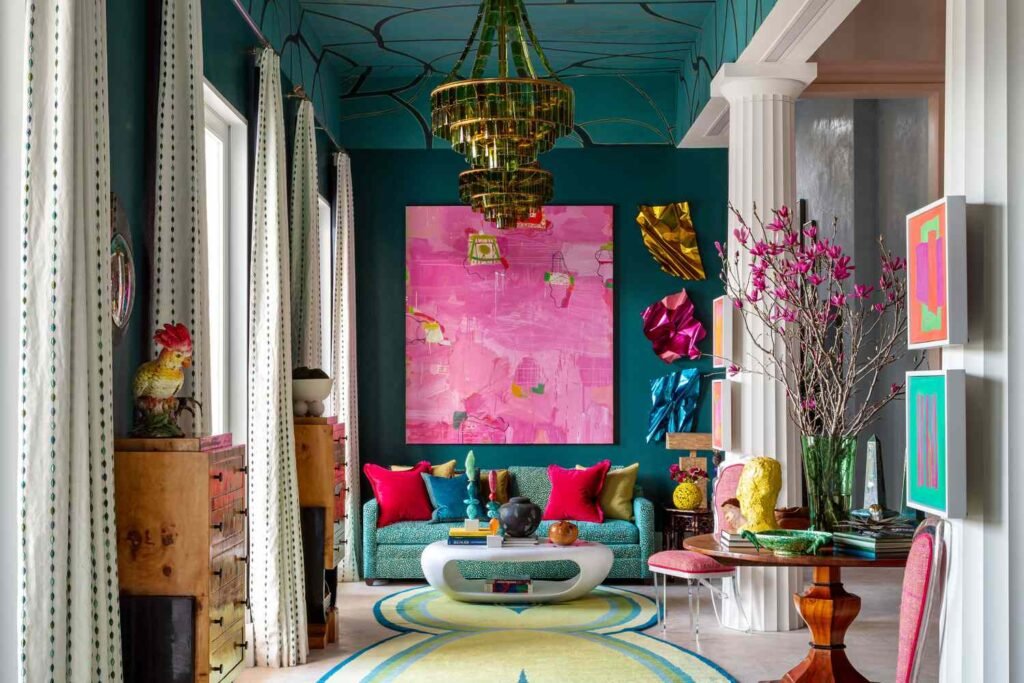
Neutral colors are dominating interior design trends in 2026.
However, neutral does not mean boring anymore.
Trending Colors
- warm beige
- soft white
- light grey
- earthy green
- muted brown
As a result, rooms feel calmer and more spacious.
Moreover, neutral colors work well with almost any furniture style.
Why this works:
Because soft colors reduce visual noise, they help create a peaceful home environment.
2. Natural Materials and Organic Textures
Modern homes are moving closer to nature.
Therefore, natural materials are becoming more popular.
Popular Materials
- wood
- stone
- cotton and linen
- bamboo
- clay and ceramic
In addition, organic textures make rooms feel warm and inviting.
For example, wooden tables and linen curtains add softness without looking heavy.
3. Minimalist but Warm Interiors
Minimalism is still trending.
However, cold and empty spaces are going out of style.
The new trend focuses on:
- fewer items
- meaningful decor
- warm textures
- comfortable furniture
As a result, homes feel clean but not empty.
At the same time, clutter-free spaces improve focus and relaxation
4. Smart Lighting for Mood and Function
Lighting is no longer just about brightness.
Instead, it’s about creating the right mood for different times of the day.
Smart Lighting Trends
- warm light for evenings
- bright white light for work areas
- dimmable lights for relaxation
- hidden LED strips for modern looks
Moreover, smart lighting saves energy and improves comfort.
Therefore, lighting is now a core part of interior design trends.
5. Small Space Interior Design Ideas
Many people live in apartments or small homes.
As a result, smart space usage is a major interior design trend.
Practical Small Space Ideas
- multi-purpose furniture
- wall-mounted shelves
- foldable tables
- hidden storage under beds
- mirrors to create a bigger look
Because space is limited, every item must serve a purpose.
Therefore, functionality matters more than decoration.
6. Sustainable and Eco-Friendly Design
Sustainability is no longer optional.
Instead, it is becoming a lifestyle choice.
Eco-Friendly Trends
- recycled furniture
- energy-efficient lighting
- low-waste decor
- indoor plants
- long-lasting materials
As a result, homes become healthier for both people and the planet.
Moreover, sustainable choices often save money in the long run.
7. Personalized Home Decor
Copy-paste interiors are fading away.
Instead, people now want homes that reflect their personality.
How to Personalize Your Space
- display personal photos
- use handmade decor
- add travel souvenirs
- choose furniture that matches your lifestyle
Because your home is personal, it should feel like you.
Therefore, personalization is one of the strongest interior design trends.
8. Multi-Functional Rooms
Homes now serve multiple purposes.
For example, living rooms also act as workspaces.
Popular Multi-Use Spaces
- home office in bedroom
- study corner in living room
- workout area in small spaces
As a result, room layouts are becoming more flexible.
Moreover, furniture is designed to serve more than one function.
9. Textured Walls and Soft Patterns
Plain walls are being replaced by subtle textures.
However, bold patterns are still used carefully.
Wall Trends
- textured paint
- light wallpapers
- wooden wall panels
- soft geometric patterns
Therefore, walls become design features, not just backgrounds.
10. Indoor Plants and Green Corners
Plants are one of the easiest ways to improve any room.
Moreover, they improve air quality and mood.
Popular Indoor Plants
- snake plant
- pothos
- peace lily
- small indoor trees
As a result, homes feel fresher and more alive.
In addition, green corners add natural beauty without high cost.
11. Comfortable Furniture Over Showpieces
People are choosing comfort over looks.
However, comfort does not mean ugly.
Modern furniture trends focus on:
- ergonomic chairs
- soft sofas
- supportive beds
- simple, clean designs
Because people spend more time at home, comfort has become essential.
12. Open Layouts with Defined Zones
Open spaces are still popular.
However, people now prefer defined zones within open layouts.
How to Create Zones
- rugs for seating areas
- shelves as room dividers
- lighting to separate spaces
- furniture placement for boundaries
As a result, open homes feel organized instead of messy.
How to Apply Interior Design Trends Without Overspending
You don’t need a full renovation.
Instead, start small.
Budget-Friendly Tips
- change cushions and curtains
- add indoor plants
- improve lighting
- rearrange furniture
- declutter regularly
Because small changes create big visual impact, trends become affordable.
Common Interior Design Mistakes to Avoid
- copying trends without thinking
- overcrowding the room
- ignoring lighting
- choosing style over comfort
- not planning storage
However, smart planning prevents these mistakes easily.
Final Thoughts
Interior design trends are about improving how your home feels and functions.
Therefore, don’t follow trends blindly.
Instead, choose ideas that match your lifestyle, space, and budget.
Start with one small change today.
As a result, your home will slowly transform into a more comfortable and stylish place.
Frequently Asked Questions (FAQs)
What are interior design trends?
Interior design trends are popular styles and ideas used to decorate homes in a specific time period.
Are interior design trends expensive to follow?
No. Many trends can be applied with small, affordable changes like lighting, plants, and furniture rearrangement.
Which interior design trend is best for small homes?
Minimalism, multi-functional furniture, and smart storage work best for small spaces.
How often do interior design trends change?
Trends change slowly over time. However, small updates every year keep your home feeling fresh.
Should I follow trends or my personal style?
Always mix trends with your personal style. Your home should feel comfortable and personal.